Private Half Day tour Manjanggul Lava tube in Jeju island



Overview
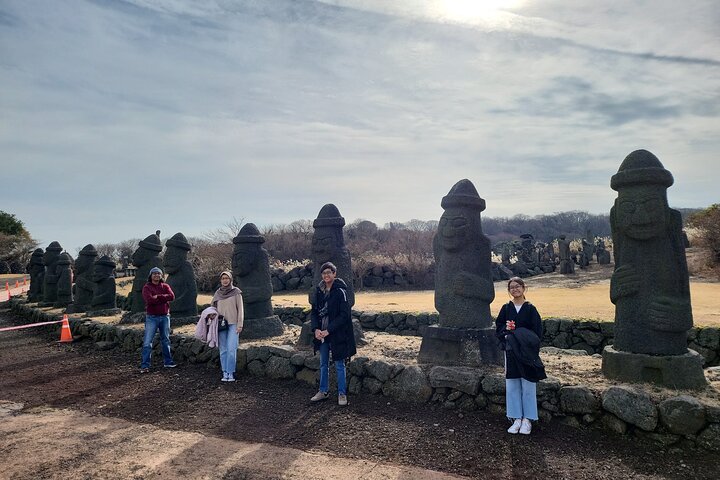
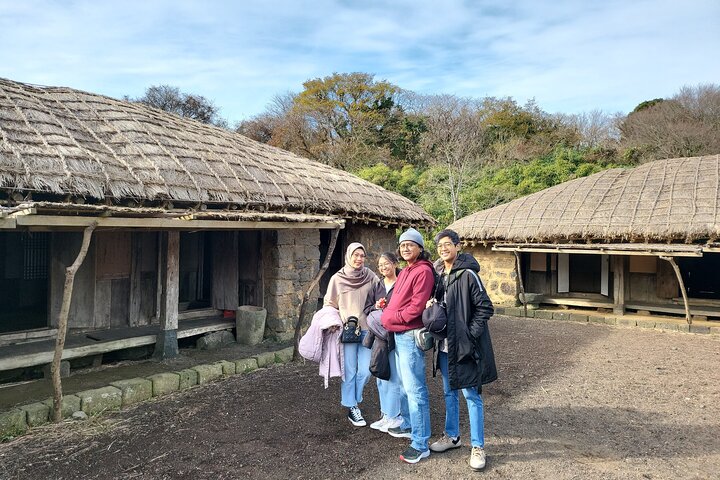
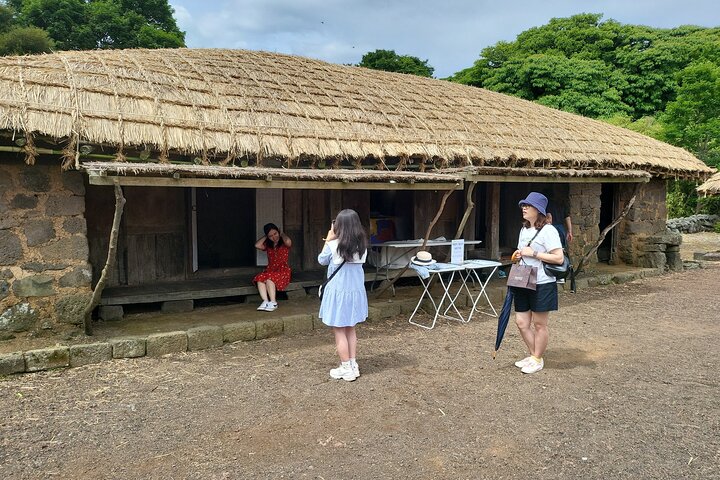
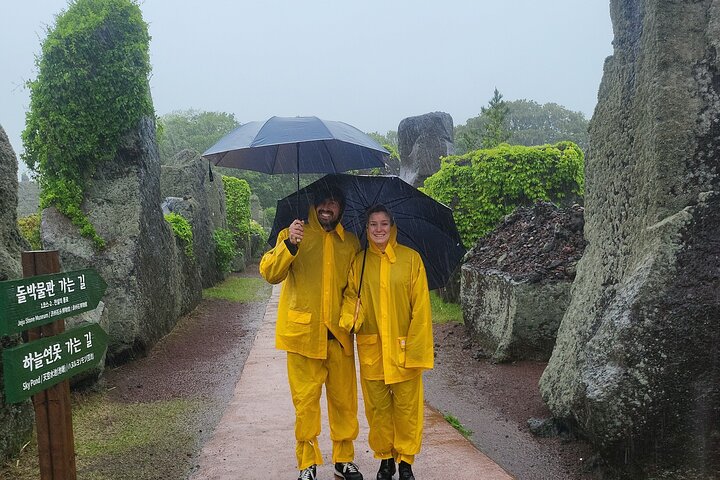
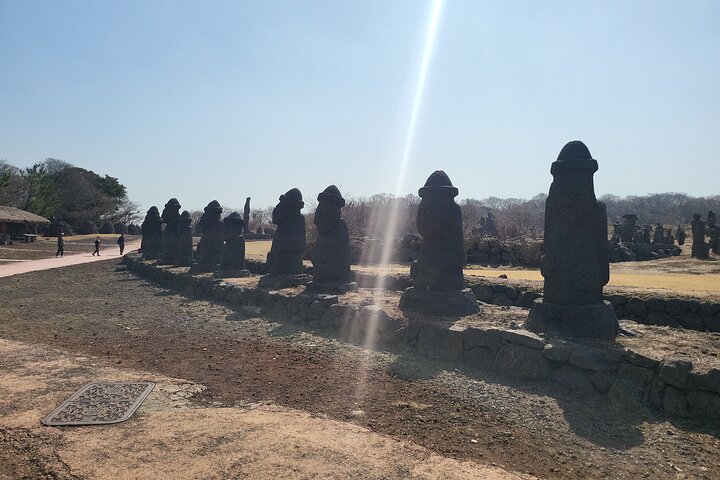
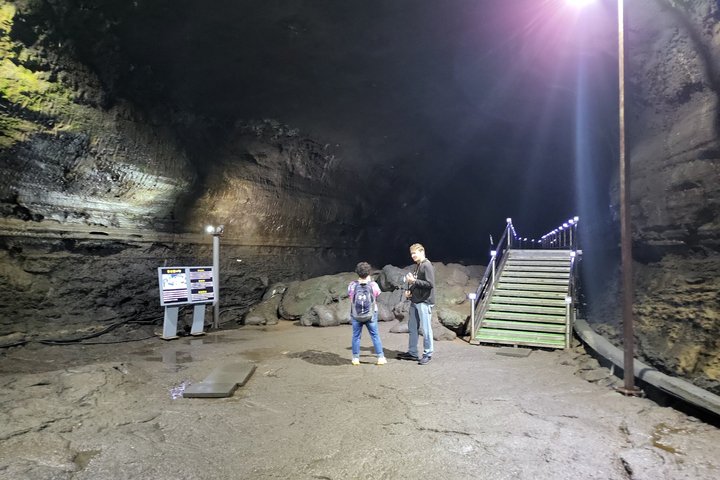
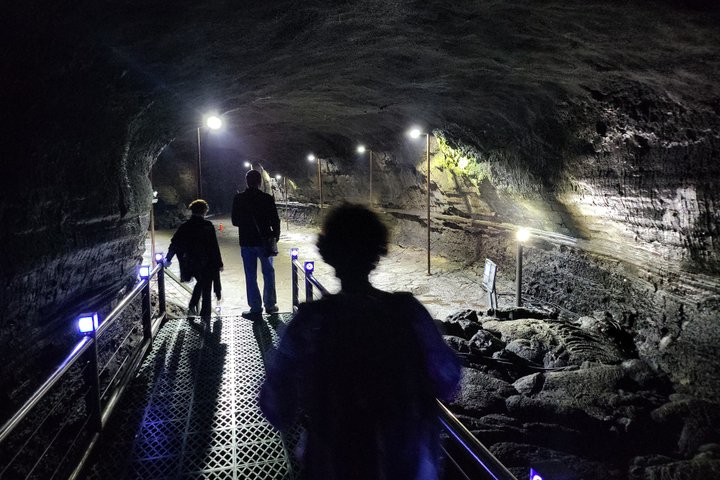
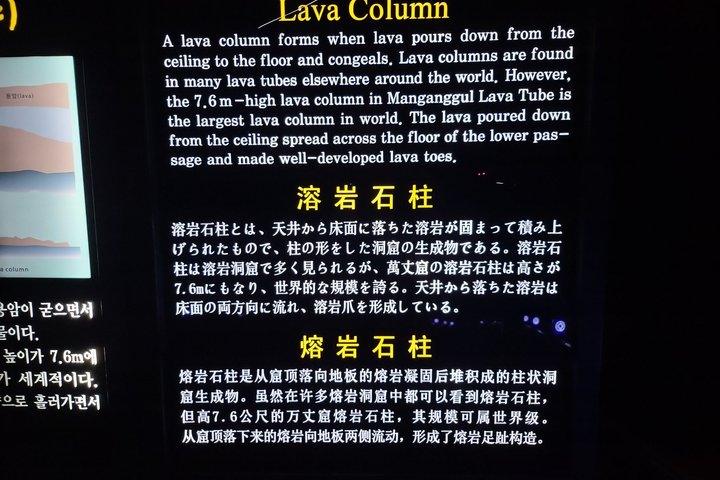
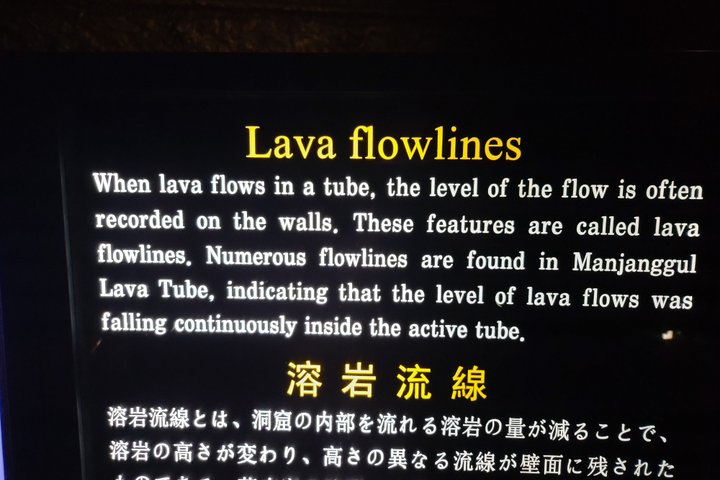
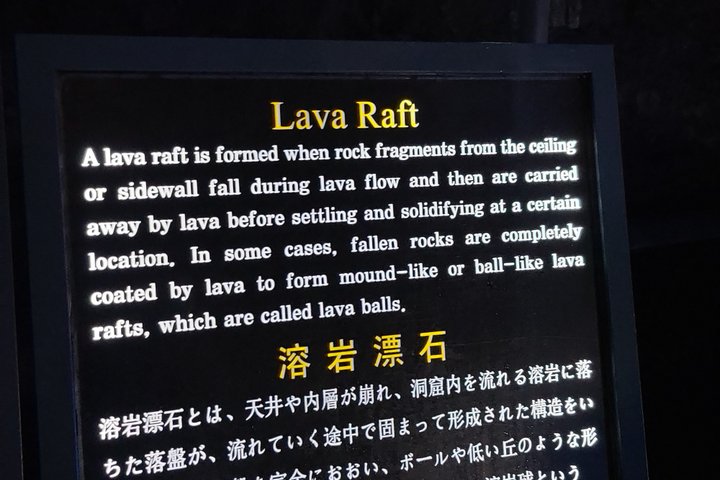
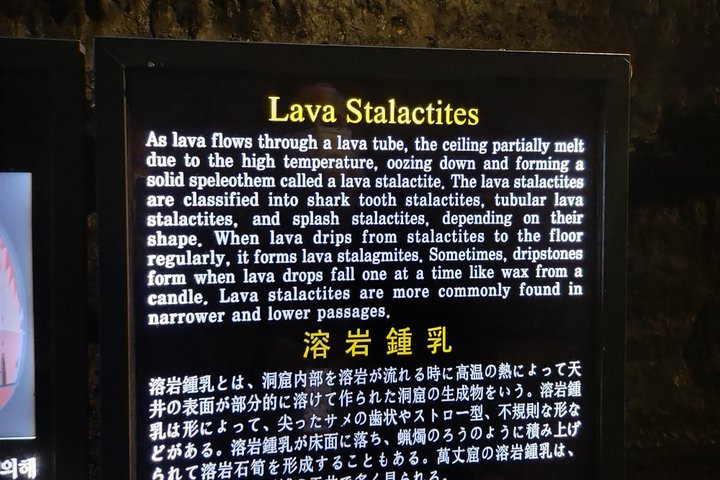
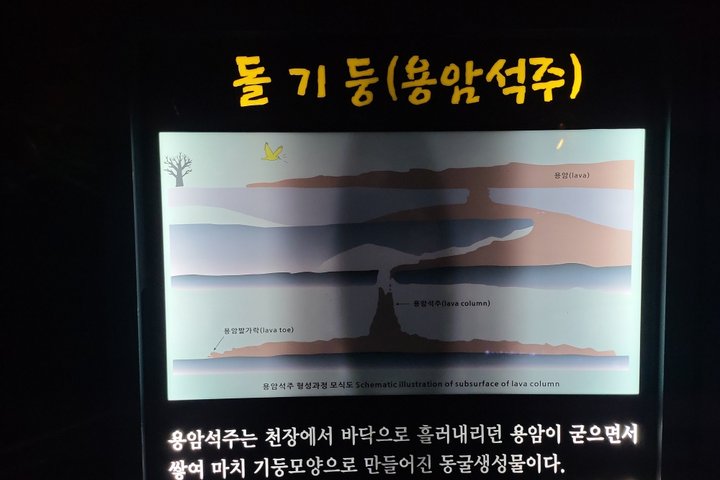
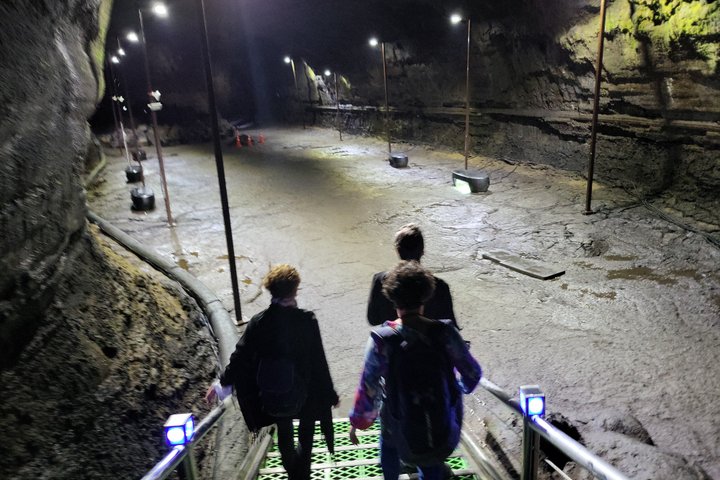
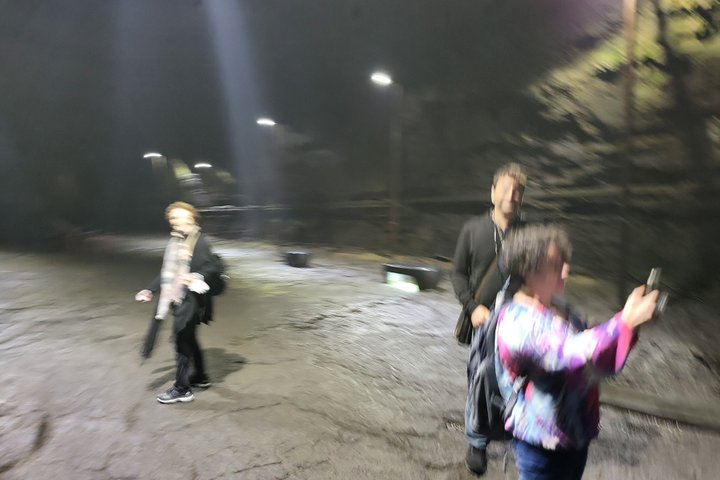
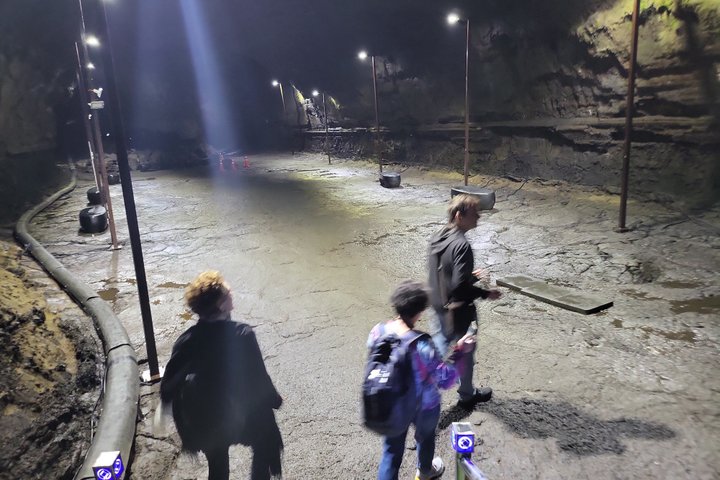
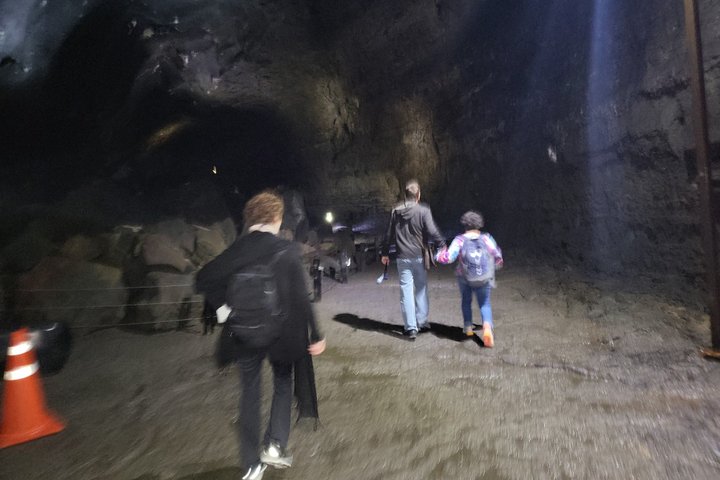
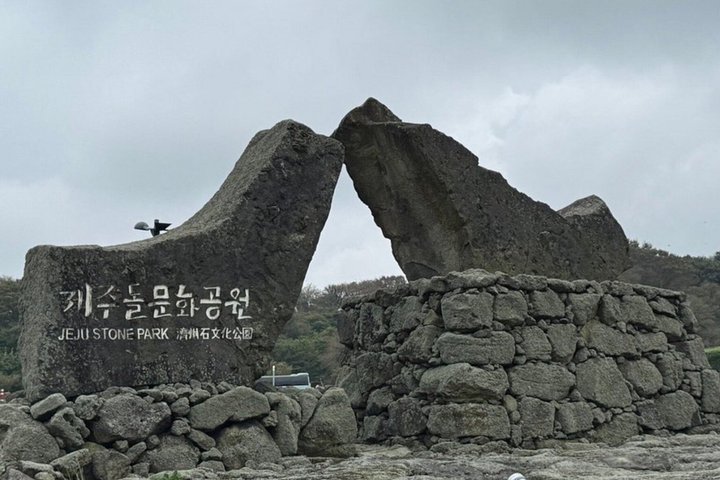
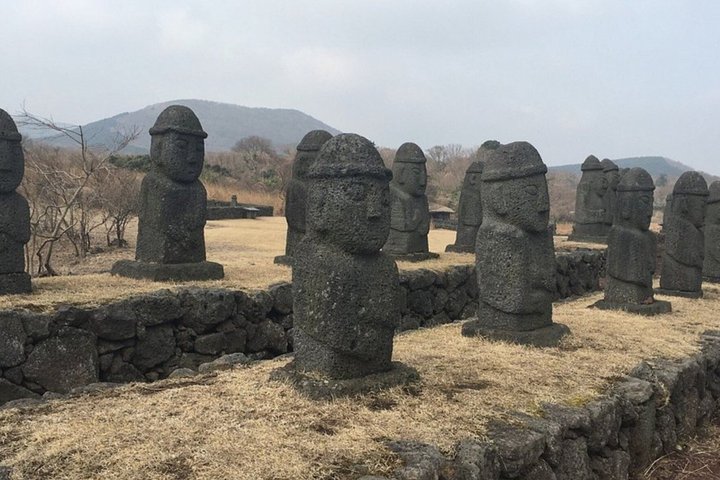
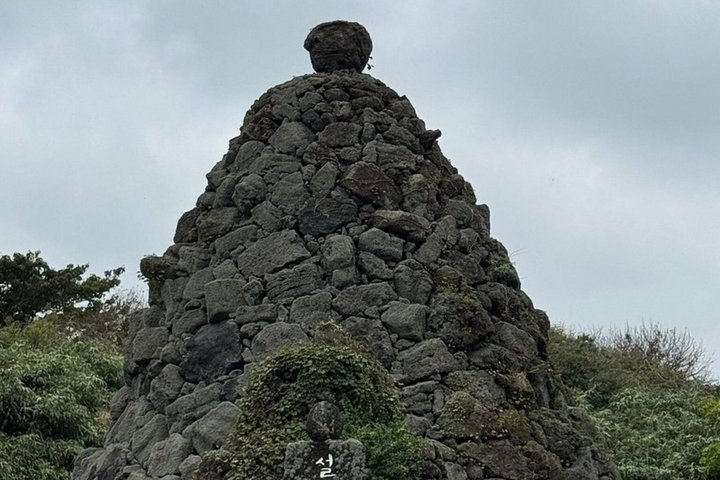
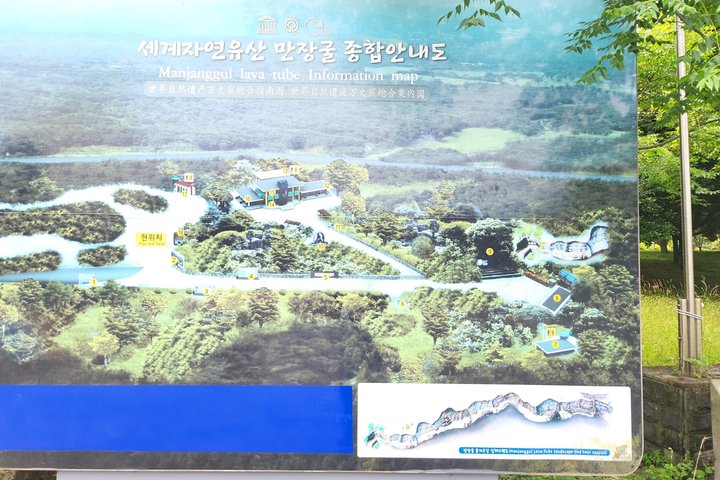
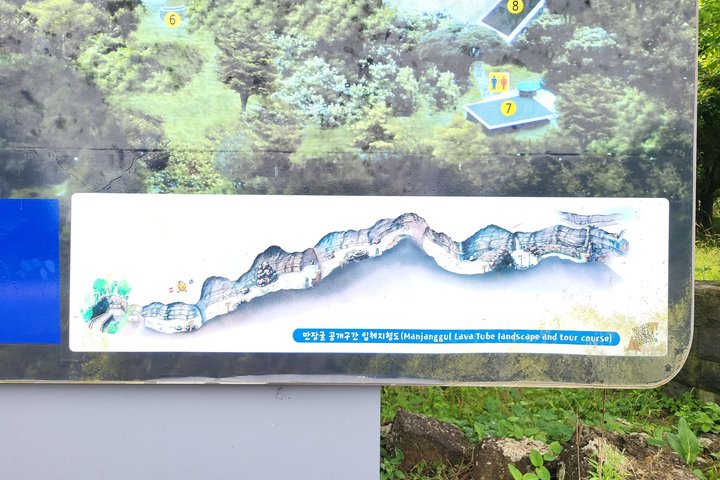
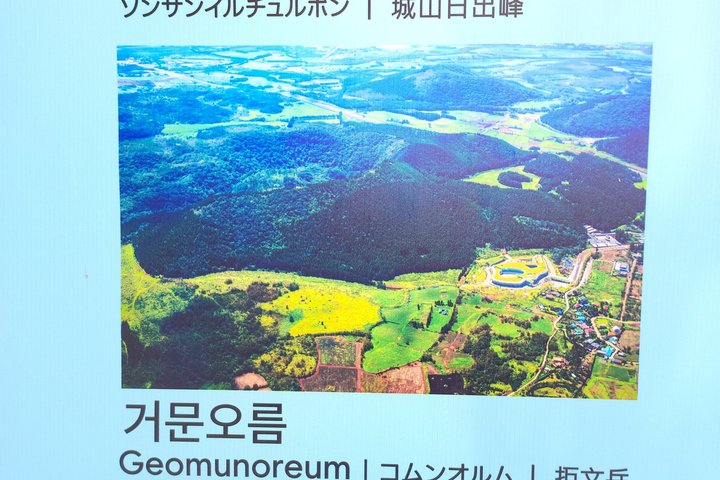
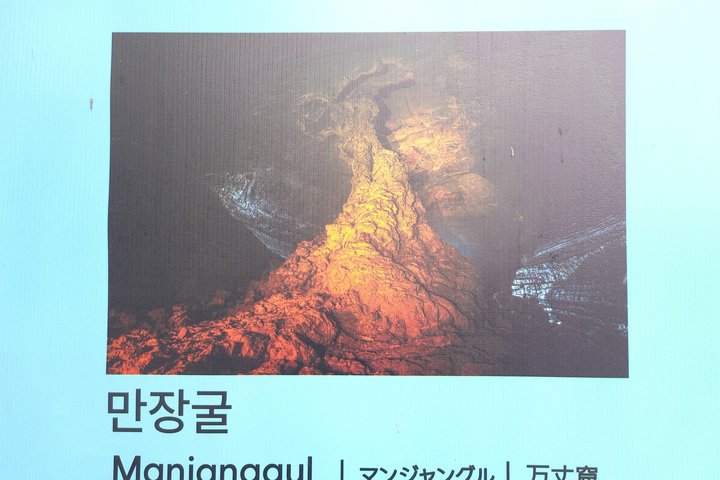
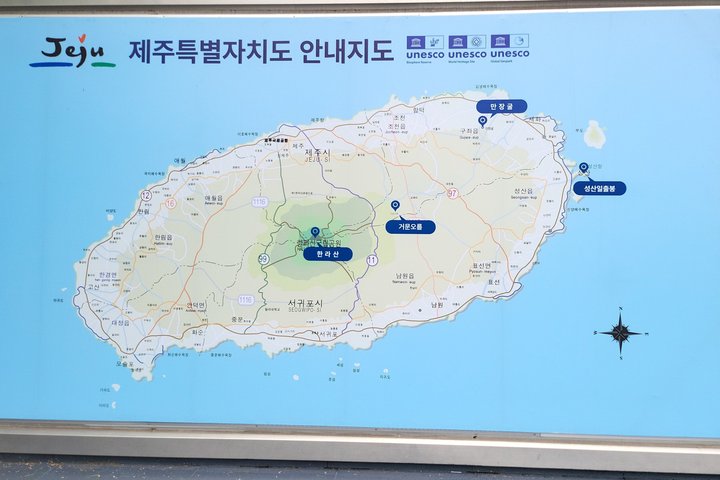
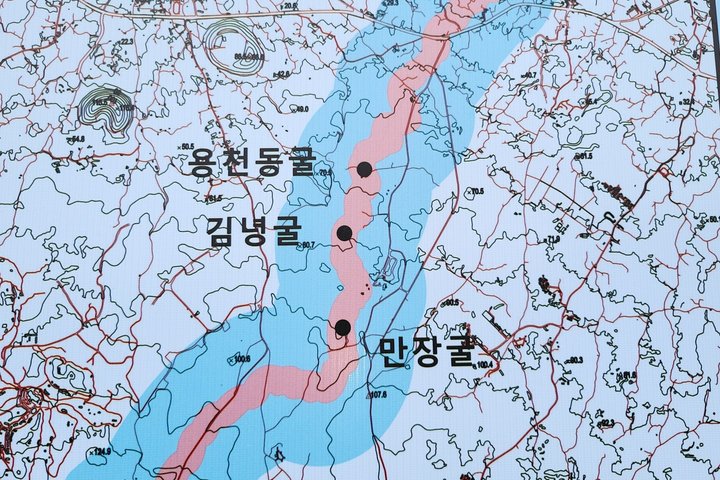
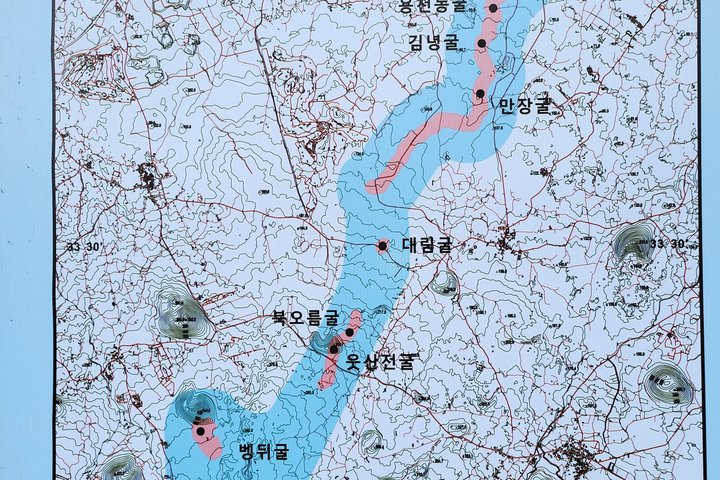
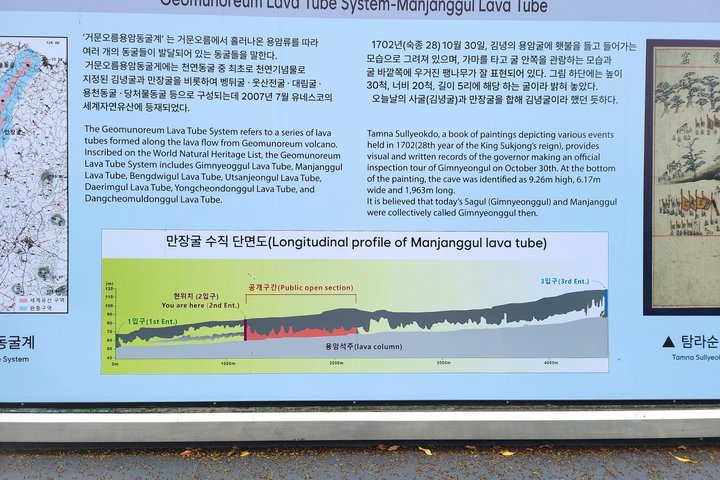
This tour is guided by a local taxi tour guide who personally accompanies the customer excluding climbing. At Jeju Stone Culture Park, you can walk around the park and see the lives of Jeju people, including stones, Jeju guardian deities, stone pagodas, traditional thatched houses, and traditional toilets. For those who have difficulty walking, you can ride an electric cart around the park. Manjanggul Cave is a natural cave formed approximately 100,000 to 300,000 years ago by lava flowing from Geomun Oreum, one of the small mountains in Jeju, along the surface. It is the core of the Geomun Oreum Lava Cave System, which was designated as a UNESCO World Natural Heritage Site in 2007. The general exploration section extends about 1 km inward from the Second Entrance. The main passage, measuring 18 meters in width and 23 meters in height, evokes a sense of openness that makes one forget it is an underground space.
What's Included
Jeju airport pick up & Any jeju place start tour & anyhotel drop off ok (No extra additional charge)
NO additional charges for tour departures from out-of-town areas or for tour endings in any area.
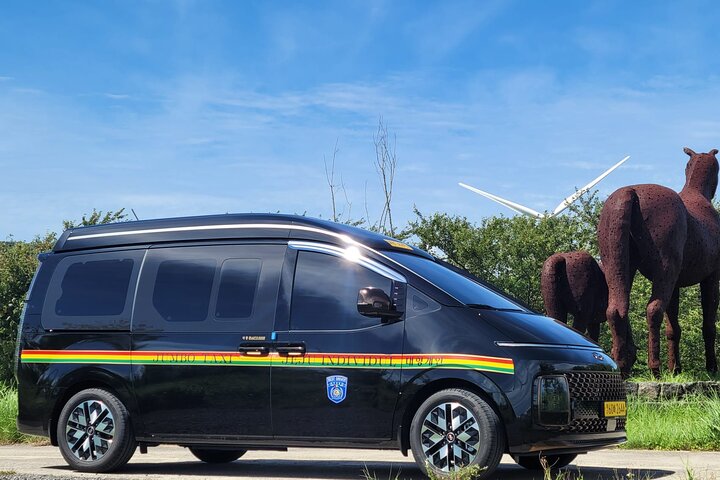
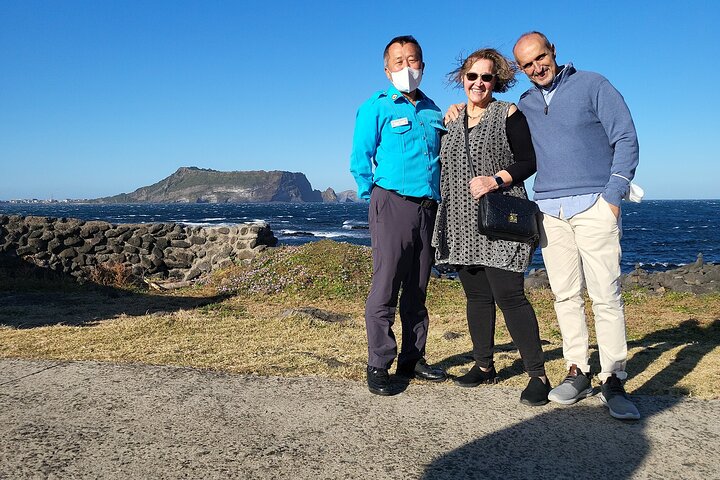
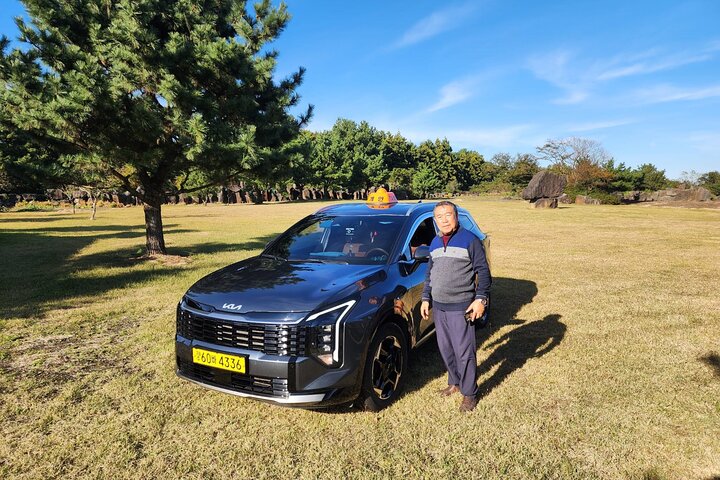
Tour is conducted best driver who has a lot of experience in foreign tours & speaks simple English.
All admission fee are included / Insurance is included.
We always provide taxis registered in south of Korea.(All taxis include transportation insurance.)
Additional Info
Infants and small children can ride in a pram or stroller
Service animals allowed
Public transportation options are available nearby
Infants are required to sit on an adult’s lap
Not recommended for travelers with spinal injuries
Not recommended for pregnant travelers
Not recommended for travelers with poor cardiovascular health
Travelers should have at least a moderate level of physical fitness
If you need a baby seat, please make a special request and we will provide it free of charge.
At Jeju Stone Culture Park, you can walk around the park and see the lives of Jeju people through Jeju stones, guardian deities believed in by Jeju people, Jeju stone towers, traditional thatched houses of Jeju people, and traditional toilets. For those who have difficulty walking, you can ride an electric cart and see the scenery. You can feel and touch the beauty of natural stones created by volcanic activity on Jeju Island, and see the stones, soil, and culture of Jeju people. Sangumburi is a unique crater in the world. It is a circular crater that has sunk into the ground during a volcanic eruption. It is a must-see for those who have never seen it before. You can see the beautiful surroundings of Hallasan and the 360 small mountains around the crater. Seongsan Ilchulbong is a World Natural Heritage site. It takes about an hour to climb, and the large lava looks like a castle. It is located on the east side, so it is a famous sunrise spot at the peak. Haenyeo performances are held on the beach every day at 2 o'clock. The Haenyeo performance is a performance where the Haenyeo sing a song about going to work and also catch conches and octopuses underwater. Jeju was famous as an island where Mongolian Genghis Khan raised horses for 100 years in the past, and the land, grass, and surrounding mountains were controlled as horse ranches, preventing farming, which further developed the Jeju people's strong Haenyeo activities.
Manjanggul Cave (Lava tube )is closed on the first Wednesday of every month.